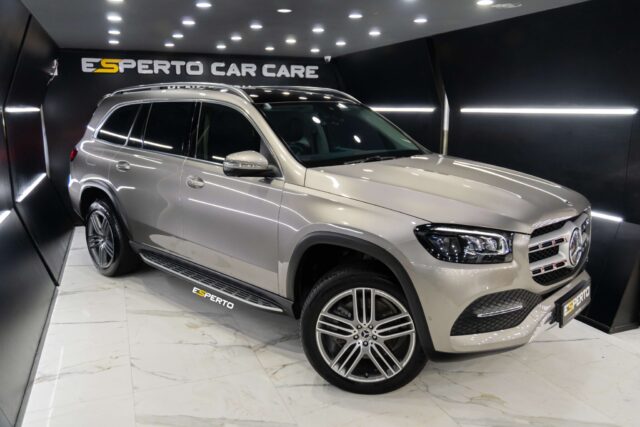
When car owners in Coimbatore decide to protect their vehicle’s exterior with a car exterior protection film, one of the first questions that comes up is how thick the film should actually be. It is a genuinely important question because the thickness of the film directly determines how well it absorbs impact, resists scratches, and holds up against the kind of road conditions seen daily in this city. Choosing the right automotive protective film is not just about picking a number. It is about matching the protection level to how you use your vehicle, where you drive, and what kind of wear your car faces through Coimbatore’s heat, dust, and busy roads. This guide breaks it all down clearly.
What PPF Thickness Actually Means for Your Car’s Protection
Paint protection film is a multi-layer thermoplastic polyurethane film that sits over your car’s painted surfaces to absorb impacts, deflect debris, and resist environmental damage. Each of these layers contributes to the overall thickness of the film, and that thickness is what determines how effectively the film performs when road debris, dust, or sharp particles make contact with the surface.
The outer coat handles surface-level scratches and minor abrasions. The middle thermoplastic polyurethane layer is where the real impact absorption happens. The adhesive layer at the base ensures the film bonds cleanly to the paint. When you increase the overall thickness, you are primarily strengthening that middle layer, which is the one doing the heaviest protective work on roads with loose gravel, stone chips, and uneven surfaces.
PPF Thickness in Microns and Mils Explained
PPF thickness is measured in two units depending on the context. In most professional discussions, thickness is expressed in mils, where one mil equals one thousandth of an inch. In technical or scientific contexts, the same measurement appears in microns. The most commonly available films range from 6 mil at the lighter end to 10 mil at the heavier end of the spectrum.
To put this in perspective, a standard 6 mil film sits at approximately 150 microns in total thickness. An 8 mil film comes in at around 200 microns, and a 10 mil film reaches close to 250 microns. While these numbers may seem close, the difference in real-world performance is meaningful, particularly when it comes to absorbing sharp road debris that is common on Coimbatore’s expanding road network and high traffic stretches.

How Thick Should PPF Be for Daily Driving in Coimbatore
For a car used primarily in city driving across Coimbatore, a 6-mil film covers most everyday protection needs well. It handles light stone chips, dust abrasion, minor contact scratches, and UV exposure without adding any noticeable weight or texture to the vehicle’s surface. Cars that travel mainly on well-maintained roads and are parked in covered spaces through most of the day will find 6 mil to be a practical and reliable choice.
For vehicles that regularly cover routes toward Mettupalayam, Palakkad, or stretches where road surfaces change frequently, moving up to an 8 mil film offers noticeably better impact absorption. It gives the paint a stronger buffer against the kind of sharp chips that require a more robust film thickness to fully manage. The recommended PPF thickness for daily driving ultimately depends on the specific roads your car encounters most, and that is where professional guidance makes a real difference.
6 Mil vs 8 Mil PPF: Which One Suits Your Car Better
The choice between 6 mil and 8 mil PPF comes down to driving pattern and risk exposure more than personal preference. A 6 mil film is lighter, more flexible, and conforms smoothly around tighter curves and complex body panels, making it well-suited to sedans and hatchbacks used primarily for urban commuting.
An 8 mil film brings more robust protection for the same surface area. It handles higher energy impacts more effectively and tends to perform strongly over time on panels that face regular debris contact, such as the front bumper, bonnet leading edge, and door lower sections. For SUVs, crossovers, and vehicles used on mixed terrain around Tamil Nadu, 8 mil is generally the more reliable choice because it matches the kind of surface wear these vehicles encounter more frequently on longer drives.
PPF Thickness Comparison at a Glance
| Thickness | Protection Level | Best Suited For | Ideal Application Zone |
| 6 mil | Everyday protection | Sedans, hatchbacks, city driving | All standard panels |
| 8 mil | Enhanced impact protection | SUVs, crossovers, mixed terrain driving | Full body or high-impact zones |
| 10 mil | Maximum protection | Luxury cars, performance vehicles, off road use | Front bumper, bonnet, full body |
Does Thicker PPF Offer Better Protection on Indian Roads
The straightforward answer is yes, and the right thickness for your car is the one that matches your specific use case. A 10 mil film is best suited for vehicles that face the highest level of paint protection demands, such as performance cars driven on open highways or luxury vehicles where maintaining the paint finish is a priority over the full ownership period. The additional thickness provides a meaningful advantage in absorbing sharp gravel impacts and handling the kind of debris contact that thinner films are not designed for in those scenarios.
For most passenger vehicles in Coimbatore, an 8 mil film with a quality installation covers everyday driving conditions thoroughly and reliably. The key factor alongside thickness is always the precision of the installation. A professionally installed film, correctly finished at every edge and panel, consistently delivers the protection level it is rated for. At Esperto Car Care, every installation follows a detailed process to ensure the film performs exactly as it should from the first day onward.
Choosing the Right PPF Thickness for High Impact Zones
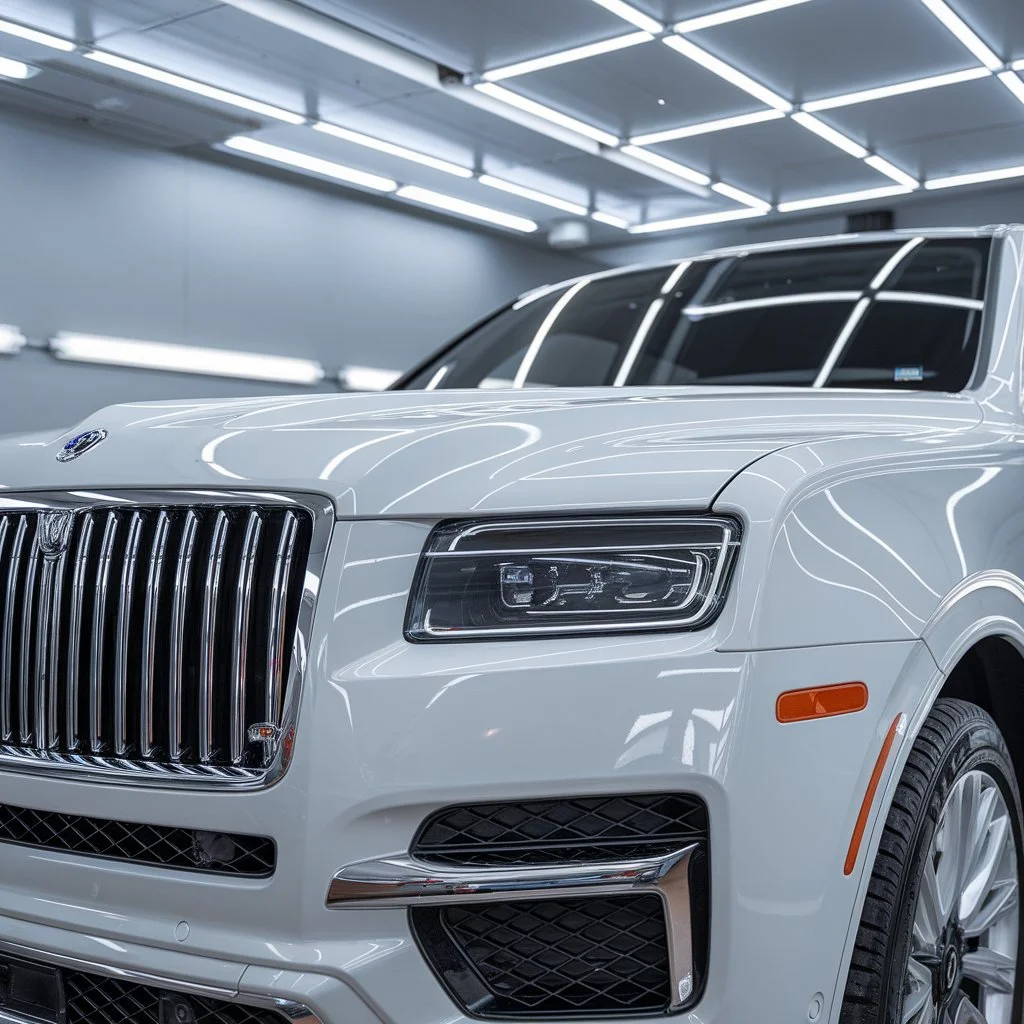
Not every panel on a vehicle faces the same level of risk, and this is where a thoughtful approach to PPF thickness makes practical sense. High-impact zones are the areas most directly exposed to road debris, stone chips, and environmental wear. These include the front bumper, bonnet, front fenders, side mirror caps, door leading edges, and the rocker panels along the lower sides of the vehicle.
Applying a thicker film specifically to these zones while using a standard thickness on lower risk panels like the roof or rear doors is a strategy that balances protection and value effectively. It is also worth noting that thinner films applied under tension on complex curves are more prone to PPF peeling at the edges over time, which is another reason why matching the right thickness to each zone matters as much as the coverage decision itself. Many car owners in Coimbatore choose this approach because it concentrates the heavier protection exactly where the paint is most likely to take damage. At Esperto Car Care, the team evaluates each vehicle individually and recommends the right thickness for each zone based on the car’s usage, the surfaces it regularly encounters, and the owner’s expectations for the vehicle over time.
What Thickness Works Best for Different Vehicle Types
Smaller hatchbacks and sedans used for daily urban commuting generally perform well with a 6 mil film on standard panels and an 8 mil application on high-impact zones. This gives balanced coverage without over-engineering the protection for a vehicle that primarily navigates city roads.
Mid size SUVs and crossovers, which are increasingly common on Coimbatore roads and frequently used for longer intercity drives, benefit from 8 mil across all primary panels and 10 mil on the front bumper and bonnet where stone chip exposure is highest at highway speeds.
Luxury vehicles and performance cars warrant the most careful approach. A uniform 8 to 10 mil application across the full body makes sense here because maintaining the paint finish on these vehicles is a priority, and the paint protection film resale benefits are most significant in this segment where original paint condition carries the greatest weight in any resale evaluation. The protection investment reflects that value clearly over the full ownership period.
Key Takeaways
Before you decide on a thickness, here are the most important points to carry forward:
- 6 mil is well-suited for city driving, standard road conditions, and vehicles parked in covered spaces through most of the day
- 8 mil is the more dependable choice for SUVs, crossovers, and vehicles that regularly cover mixed terrain or longer highway routes
- 10 mil is best reserved for luxury cars, performance vehicles, and situations where maximum paint protection is the clear priority
- High-impact zones like the front bumper and bonnet benefit most from a thicker film, regardless of the overall vehicle type
- The right thickness, paired with a precise professional installation, is what determines real-world performance, not thickness alone
Choose the Right Thickness With Guidance From Esperto Car Care
Getting the best PPF thickness for cars is not a decision that needs to feel complicated, especially when you have professionals who understand both the product and the roads your car actually travels. The right thickness matched to the right panels and installed with precision is what delivers the protection your vehicle deserves. At Esperto Car Care, every PPF consultation covers your specific vehicle, your driving habits, and the Coimbatore conditions your car faces daily, so you always leave with a recommendation that genuinely fits your needs. Contact Esperto Car Care today to find the right protection level for your car and drive with complete confidence.